
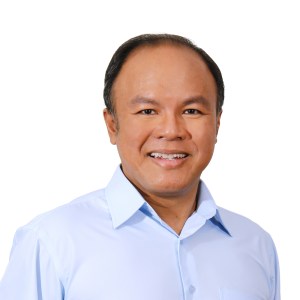
Mr Muhamad Faisal Bin Abdul Manap (Aljunied): Sir, according to figures released by the Government in 2023, our total population stands at around 5.9 million, of which 4.9 million are residents and 1.8 million are non-residents. Racial demographics have remained largely stable. The most worrying statistic released was the all-time low fertility rate of 1.04. Set against the backdrop of an ageing population, these statistics become more worrying.
Sir, I would like to ask if the Government has a projection for the number of new residents and non-residents for the next five years. Following from that, I would like to ask for a progress update on the efforts to ensure that our infrastructure development is able to support an increasing population, in view of the delay and disruption in the construction sector resulting from the COVID-19 pandemic.
Sir, I also note from the figures released by the Government in 2023 that there are over 200,000 Singaporeans presently based overseas. This is testament to the resilience and adaptability of our Singaporeans. But I also wonder if there are concerns of potential brain drain resulting from greater emigration. Does the Government have a strategy of managing emigration to ensure Singapore itself does not lose out on our homegrown talent?
My final point is on the Government’s effort in attracting Malay talent. In the past years, me and a few other Malay Members of Parliament, including former President Mdm Halimah Yacob, had asked through Parliamentary Questions and COS cuts on the measures and efforts taken by the Government in attracting Malay talent.
Sir, back in December 2012, the Prime Minister commented during a session of Our Singapore Conversation that the Government had done its best and worked hard to attract Malay talent from Malaysia and Indonesia, but the numbers were small. Hence, I would like to ask for updates on the Government’s efforts in attracting Malay talents till date.
Ms Indranee Rajah: Mr Chairman, I have outlined how our marriage and parenthood, immigration and workforce policies work in tandem to help us overcome our population challenges. However, these policies can only succeed if we remain an inclusive society.
Globally, sentiments of disenfranchisement and xenophobia have gained momentum. A growing number of politicians across the world have stoked xenophobia to gain popular support. Some have been voted into office, the result of which has been division and instability.
We must not go down that path. The well-being of Singaporeans remains at the heart of what we do. But this does not prevent us from welcoming foreigners who can contribute to our economy and add richness to our multicultural society.
And we must, of course, also work hard at integration. This response extends to the enquiry Mr Faisal Manap made about how we can welcome Malays and others from the region to come and join us. All that I said earlier about welcoming foreigners here extends to those groups as well.
So, in conclusion, Mr Chairman, Singaporeans and their well-being are at the heart of our population strategies. These strategies aim to build a resilient nation, anchored on the key thrusts of the Forward Singapore Report: opportunities, assurance and collective responsibility.
Prime Minister’s Office
28 February 2024
https://sprs.parl.gov.sg/search/#/sprs3topic?reportid=budget-2344
 Office of the Leader of the Opposition